Where to Eat on a Fraser Valley Wine Tour
September 30, 2026
Are Fraser Valley Wineries Family- and Dog-Friendly? 2026 Guide
October 4, 2026
A Fraser Valley wine tour can be enjoyable without drinking. The key is to plan the day around vineyard scenery, food, education, shopping and alcohol-free beverages instead of treating wine tastings as the only attraction.
This matters most for mixed groups. One person may be abstaining for health, religious or personal reasons, while others want to sample local wines. A thoughtful itinerary lets everyone participate without making the non-drinker feel like they are simply waiting in the vehicle.
Start with a completely sober driver
A designated driver should remain alcohol-free for the entire outing. It is not a good idea to calculate a personal “safe limit” or assume that a small amount will be acceptable after several hours. British Columbia can impose driving prohibitions and licence suspensions for alcohol- or drug-affected driving. The Province of British Columbia’s impaired-driving guidance is the right reference for current safety rules.
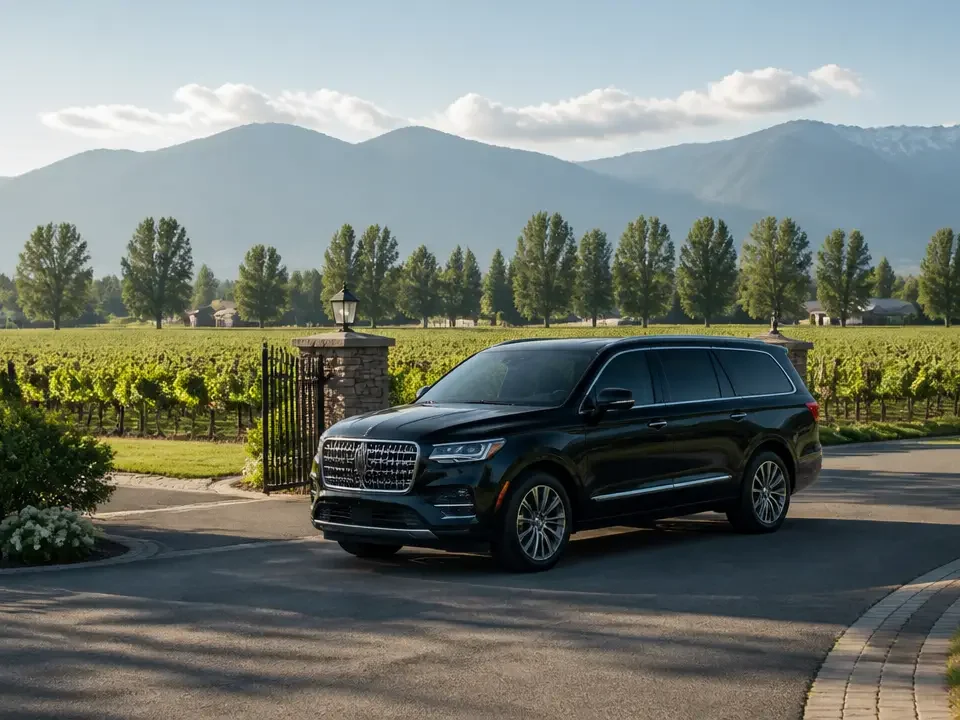
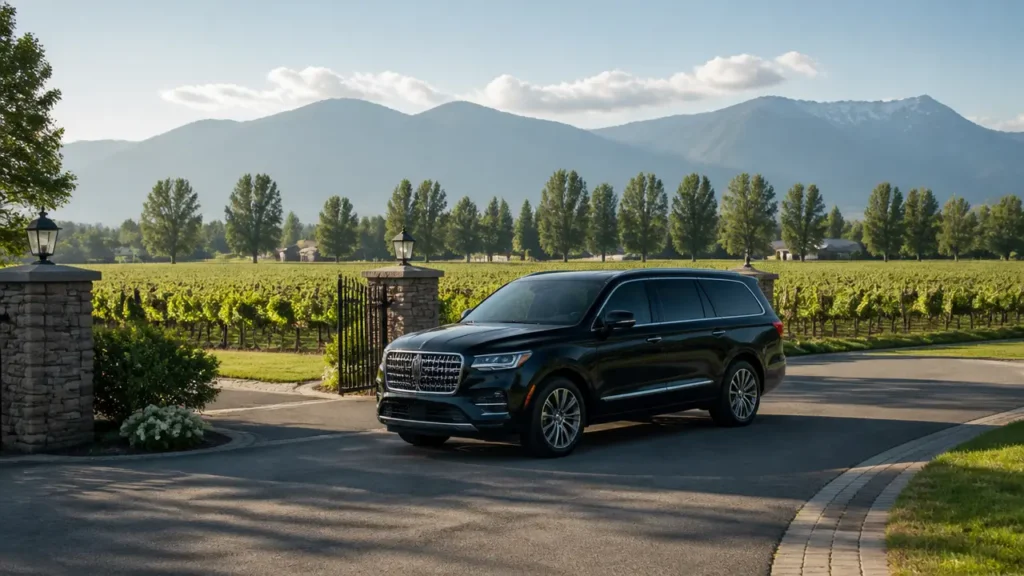
For a mixed group, private chauffeured transportation removes parking, navigation and designated-driver pressure. Guests can enjoy the route at their own pace, while the driver focuses on safe transportation. That does not make unlimited drinking acceptable; everyone still needs to follow the law and each venue’s rules.
What can non-drinkers do at Fraser Valley wineries?
There is more to a winery visit than the tasting counter. Depending on the venue and the day’s schedule, a non-drinker may enjoy:
- Vineyard views and seasonal photography
- A winery tour or conversation about grape growing and production
- Lunch, snacks, pizza or a bistro meal
- Patio seating and a slower countryside drive
- Shopping for bottles, local foods and gifts
- Mocktails, soft drinks or other alcohol-free beverages
- Nearby farms, markets and other Fraser Valley attractions
Langley is a practical base for this style of outing because several wineries and agricultural attractions are located around South Langley and 16th Avenue. Chaberton Estate Winery, for example, combines vineyard views and winery experiences with the on-site Bacchus Bistro. It can work well as a food-and-landscape stop even for guests who are not tasting wine.
Township 7 states that non-alcoholic beverages are available for purchase, although menus and policies can change. Ripples Winery and New Wave Distilling also promotes food, cocktails and mocktails. These examples show why it is worth checking the current offering rather than assuming every tasting room will have the same choices.
A practical itinerary for a mixed group
A two- or three-stop route is usually more comfortable than trying to visit as many venues as possible. One possible structure is:
- Morning: Begin with a scenic winery visit and an educational tour or tasting-room stop. The non-drinker can ask questions, take photographs and browse the retail area.
- Midday: Reserve a substantial meal at a winery bistro, farm destination or nearby restaurant. Food gives the group time to sit together rather than splitting into drinkers and non-drinkers.
- Afternoon: Choose a second beverage stop, such as a winery or cider destination, and confirm alcohol-free options in advance. Leave time for a patio, vineyard walk or local shopping.
Fraser Valley Cider Company can broaden the day beyond traditional wine with its taproom, patio and food options. Cider may still contain alcohol, so non-drinkers should ask specifically about alcohol-free beverages. The destination is an alternative style of stop, not an automatic alcohol-free solution.
Guests travelling from the east side of Metro Vancouver may also want to review Richmond limousine transportation when arranging a pickup and return route. The practical question is not the vehicle’s image but whether the service can accommodate the group’s preferred timing, stops and luggage or bottle storage.
Questions to ask before booking
Call the winery or tour operator before confirming the itinerary. Ask:
- Do non-tasters pay a tasting fee?
- Are alcohol-free drinks available, and are they included or purchased separately?
- Is a reservation required for a meal, patio or larger group?
- Can guests who are pregnant, underage or simply abstaining attend?
- Are washrooms, seating and outdoor areas accessible to everyone in the group?
- How will purchased bottles be stored during the tour?
- What happens if a guest becomes intoxicated or does not follow venue rules?
Do not assume that children, pets or outside food are permitted. Those policies vary by property and should be confirmed directly. Winery hours, menus, tasting formats and participating venues can also change seasonally.
Bottle transport and safe planning
If the group buys wine, keep it closed and stored appropriately in the vehicle. British Columbia liquor rules restrict how liquor may be carried in a motor vehicle; unopened, sealed bottles should be placed in a permitted or inaccessible cargo area rather than kept loose in the passenger compartment. Review the current Liquor Control and Licensing Act if the group needs specific legal guidance.
Private transportation is particularly useful when several people are buying bottles or when the route includes multiple pickups. For a closer look at how this arrangement works, see our guide to private limo wine tours in Vancouver.
Season changes the experience
Spring and summer make vineyard views and patios attractive, while autumn brings harvest colours and a strong reason to build in photography and farm-market stops. Winter can be appealing for quieter tasting rooms and indoor meals. Our guide to the best time for Fraser Valley wine tours can help match the itinerary to the season. For readers planning an autumn outing from Vancouver, a separate overview of Vancouver limousine service in autumn may also help with broader seasonal transportation planning.
The best mixed-group wine tour does not ask non-drinkers to pretend they are interested in every tasting. It gives them a genuine role in the day: enjoying the landscape, choosing the restaurant, learning how the region produces its beverages and sharing the trip without driving after drinking. Confirm the details ahead of time, set a no-pressure rule for the group and choose stops that offer something beyond the glass.