Fraser Valley Wine Tours for Groups of 8–14: How to Plan the Day
October 10, 2026
Fraser Valley Harvest Season Wine Tours in September and October
October 14, 2026
A corporate wine tour Vancouver itinerary works best when the route, vehicle and tasting reservations are planned together. A day that looks simple on a map can become rushed once passenger pickups, traffic, winery check-ins, lunch and bottle storage are added.
For most corporate groups, the most reliable approach is to choose one compact Fraser Valley cluster rather than trying to cover Langley, Abbotsford and Mission in a single loop. The goal is a relaxed day with enough time for conversation and tasting—not a race between appointments.
Choose the route before choosing the wineries
Langley is often a practical starting point for a Fraser Valley wine tour from Vancouver. It offers established vineyard properties and can support a shorter, more focused itinerary than a broad regional circuit. Chaberton Estate Winery is recognized by BC Wine as one of the Fraser Valley’s oldest and largest vineyard properties, while Real Estate Vineyards & Winery is located at 3033 232nd Street in Langley.
A sensible corporate route usually looks like this:
- Vancouver-area pickup, with a clearly defined meeting point and departure window
- Two winery visits in the Langley area
- A planned lunch or farm stop rather than an improvised break
- An optional third tasting only if the schedule, group size and reservations allow it
- Return transportation to Vancouver with a realistic traffic buffer
For larger groups, two or three winery visits are generally enough. Every stop involves unloading, check-in, seating, the tasting itself, purchases and regrouping. Add more appointments and a minor delay at the first stop can affect the entire day.
Abbotsford can make an excellent destination when the group wants a longer day or a different winery mix, but it should be planned as its own route rather than added casually to a Langley itinerary. The same principle applies to Mission. Compare the desired tasting experience with the amount of road time before confirming the sequence. The guide to Vancouver and Lower Mainland wine tours can help with early destination research.
Build a schedule with room to breathe
A half-day corporate wine tour may suit a team that has an afternoon meeting or evening event. A full-day schedule allows time for lunch and a second tasting cluster without making every stop feel compressed. Exact travel times vary with traffic, weather and the final pickup locations, so use live estimates when the booking is made rather than relying on a fixed timetable.
When requesting winery reservations, provide the expected headcount, arrival window, tasting preference and any accessibility requirements. Confirm opening hours, group policies, tasting availability and reservation rules directly with each winery. These details can change seasonally and may differ between regular tastings, private rooms and corporate events.
Corporate group transportation: capacity is only the starting point
Choose a vehicle by its legal passenger capacity, usable seating and practical space for coats, bags and purchased bottles—not by the largest number shown in an advertisement. Ask the transportation provider how many passengers the vehicle is intended to carry comfortably and how sealed wine will be secured during the trip.
Commercial passenger vehicles in British Columbia must not exceed their carrying capacity, and commercial drivers must be properly qualified and sober. The Passenger Transportation Regulation is a useful reference when reviewing provider credentials and vehicle arrangements. For a corporate booking, also ask whether the provider is authorized for the type of service being requested and whether commercial insurance requirements are in place.
Private transportation is usually the better fit when the organizer needs control over pickup points, winery choices, lunch timing, branding or the return schedule. A shared tour may reduce the per-person cost, but it normally comes with a fixed route and less flexibility. The distinction is explained in more detail in this comparison of private and group wine tours in Vancouver.
If employees are joining from different parts of Metro Vancouver, centralize the instructions. A Surrey-based pickup, for example, should have one confirmed address, loading time and contact person rather than several informal meeting points. If that is the group’s starting area, review the available Surrey limousine transportation information while comparing pickup options.
Confirm the costs before sending the invitation
Transportation is only one part of the budget. Ask for a written outline that separates:
- Vehicle service and scheduled hours
- Winery tasting fees
- Lunch, private dining or farm-stop costs
- Gratuity and applicable taxes
- Bottle purchases and bottle storage
- Overtime, additional stops and itinerary changes
- Cancellation and late-arrival policies
Do not assume that tasting fees are included in a transportation package. Winery policies vary, and corporate groups may have different reservation arrangements from individual visitors. The event coordinator should also decide in advance who will pay tasting fees and lunch, how the invoice will be handled and whether employees may purchase bottles personally.
Prepare one concise group brief
A single-page itinerary prevents most avoidable confusion. Share it with the transportation provider, the wineries and every attendee several days before departure. Include the date, passenger count, pickup address, vehicle type, winery sequence, reservation times, lunch plan, accessibility notes, emergency contact and target return time.
Assign one group lead. That person should carry the passenger manifest, communicate with the driver and winery hosts, track late arrivals and approve itinerary changes. Dietary restrictions, mobility considerations and non-drinking preferences should be collected privately and passed to the relevant venues before the tour.
It is also worth deciding how the group will handle purchases. A vehicle may have space for a modest number of bottles, but large orders can require separate storage or delivery arrangements. Keep all purchased liquor sealed and follow the operator’s instructions for securing it during transport.
Winery etiquette for professional groups
Corporate hospitality still depends on the same basic courtesy as any tasting visit. Arrive on time, stay with the group and follow the host’s instructions about vineyard access, photography and seating. Ask before taking photographs of staff or other visitors, and avoid strong perfume that can interfere with the tasting experience.
Tasting should be treated as a moderated experience rather than a drinking competition. Encourage water and food, allow guests to decline a pour, and make sure non-drinking attendees are included in the itinerary. Do not open purchased bottles in the vehicle unless the operator expressly permits it.
British Columbia’s liquor rules also matter after the tasting. Under the Liquor Control and Licensing Act, liquor in a motor vehicle must be unopened or sealed, or stored so it is not readily accessible. The safest corporate policy is simple: keep purchased bottles closed, secured and separate from passenger access.
Plan for the season
Summer and early fall can suit groups seeking vineyard scenery and outdoor seating. Spring, late fall and winter call for more attention to indoor tasting-room availability, wet-weather footwear, earlier sunsets and road conditions. A backup indoor stop or flexible lunch reservation can protect the day when rain changes the plan.
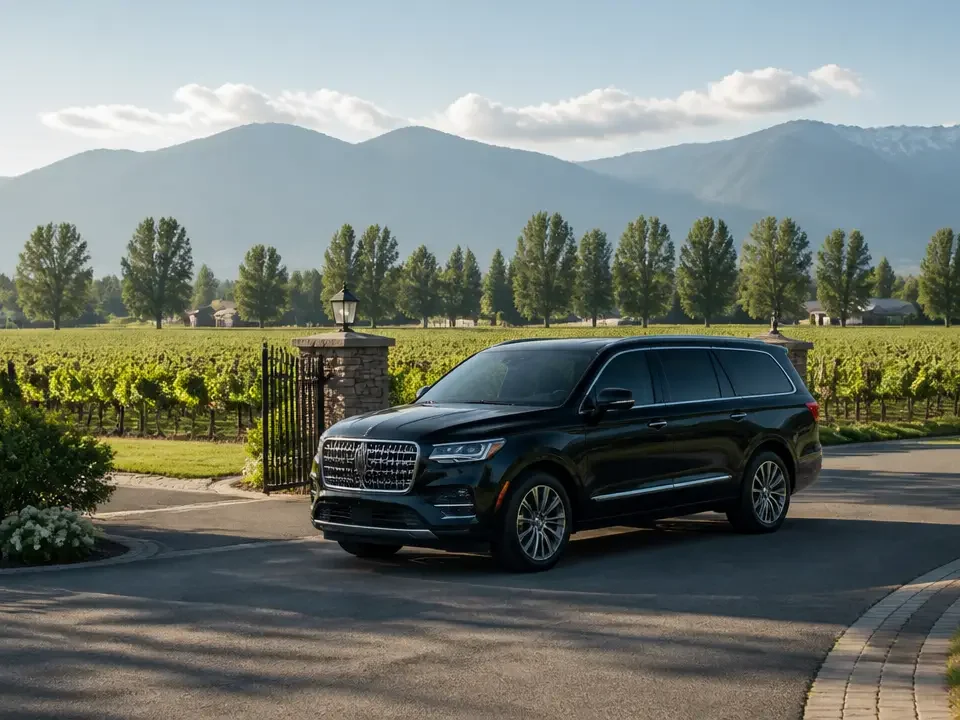
When reviewing vehicle options, photos can help an organizer compare layouts and presentation, but they should not replace a conversation about capacity and luggage space. A limousine image gallery may be useful for initial vehicle inspiration before requesting a vehicle matched to the actual passenger count.
A final booking check
Before confirming the corporate wine tour, the organizer should be able to answer five questions: Where is everyone meeting? Which compact winery route is being used? Are every tasting and meal reservation confirmed? Who is responsible for the group on the day? How will sealed purchases and the return schedule be managed?
Once those answers are documented, the tour becomes easier to manage for the company, the driver and the wineries. The best itinerary is rarely the one with the most stops; it is the one that leaves enough time for people to enjoy the region and still arrive home on schedule.