
Spring Wine Tours in the Fraser Valley: A Practical Route Planner
October 31, 2026
Fraser Valley vs. Okanagan Wine Tours from Vancouver: Which Is Best for One Day?
November 4, 2026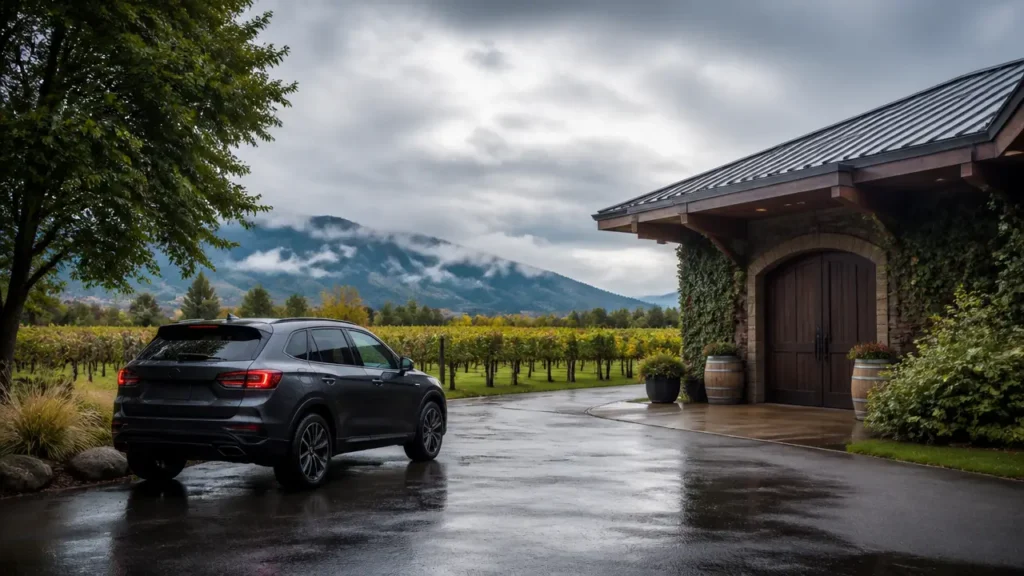
Fraser Valley wine tour cancellation policies can differ sharply depending on who cancels, why the booking is disrupted and how much notice you give. A guest cancelling because of illness is usually treated differently from an operator cancelling because of unsafe roads or a winery closure. Before asking for a refund, check the written terms attached to your booking confirmation.
There is no single cancellation standard for every Fraser Valley tour. Policies vary by tour company, winery, booking platform, deposit arrangement and notice period. The practical goal is to identify the applicable rule quickly, contact the right people and make a specific request in writing.
What to check before booking
Save the confirmation email and look for the cancellation deadline, deposit terms and any language such as “all sales final.” Some operators publish different rules for different activities. For example, a private vehicle booking, a shared tour and a winery tasting reservation may each have separate conditions.
Before paying, ask these questions:
- What is the latest time I can cancel for a refund?
- Is the deposit refundable, transferable or non-refundable?
- Can I move the booking to another date if someone becomes ill?
- Does the policy cover severe weather, road closures or only an operator-initiated cancellation?
- Who pays for reserved tastings if a winery is removed from the itinerary?
- How will a cancellation or change be communicated during an evening or weekend?
Policies can be quite specific. One Fraser Valley operator, for instance, publishes a partial-refund window several days before departure and no refund inside a stated period. That is an example of one company’s terms, not a regional rule.
Rain is not the same as unsafe weather
Many Fraser Valley wine tours operate in ordinary rain. Some tours describe themselves as running in all weather and reserve the right to change the itinerary or substitute wineries. A wet forecast may therefore lead to an indoor-focused route rather than a cancellation.
Severe weather, flooding, snow, ice, wildfire smoke or a road closure creates a different question: can the journey be completed safely? Check Environment and Climate Change Canada weather alerts and its official alert map instead of relying only on a general forecast app. If an alert or road disruption affects your decision, save a screenshot with the time and date.
Ask the operator whether the tour is proceeding, being shortened, moving to another date or being cancelled. If the company cancels because it cannot safely operate, the available remedy should come from its terms. Depending on the booking, that may be a rescheduled date, a credit or a refund. Do not assume that bad weather automatically creates a right to cancel without charge.
What to do if you become ill
Contact the tour operator as soon as possible and do not attend while symptomatic. Wineries may ask unwell guests to visit another time, but that request does not by itself establish a universal refund entitlement. Your booking confirmation remains the key document.
Make a clear request rather than sending a vague cancellation message. For example: “One guest is ill, and we are asking to transfer the booking to a later date. If that is not possible, please confirm the refund or credit available under our terms.” An early request gives the company more options, particularly when winery reservations and vehicle scheduling are involved.
If you purchased optional trip protection, read its exclusions. Illness, injury and severe weather may require evidence, while ordinary rain may not qualify. Trip protection is separate from the operator’s standard cancellation policy.
When a winery closes or changes the itinerary
A winery can have its own reservation requirements, tasting capacity and group-size limits. A closure may result in a replacement stop even when the vehicle service continues. Ask whether the change affects the total price, tasting fees, lunch reservation or duration of the tour.
Call both the tour operator and the winery when money has been paid separately. The operator may control transportation and the overall itinerary, while the winery may control tasting deposits. Get confirmation of any replacement in writing before departure.
If your group is travelling from Maple Ridge or another Lower Mainland community, confirm the pickup address and contingency plan early. A local transportation option such as Maple Ridge limousine service may be useful when comparing pickup arrangements, but it does not replace the cancellation terms for winery reservations.
Refund, credit or a new date?
The best remedy depends on who initiated the change. If you cancel for personal reasons, the published deadline usually controls. If the operator cancels for safety, insufficient bookings or a closure, ask what the company’s terms provide. If one winery is unavailable but the tour still runs, a route change or partial adjustment may be more realistic than a full refund.
A rescheduled date is often the simplest solution when the group still wants the experience. A credit can work when the operator offers a reasonable expiry period and clearly states whether the original price is protected. If you prefer a refund, request the exact amount and ask how winery deposits or third-party charges are being handled.
Document the cancellation properly
Keep the confirmation, payment receipt, cancellation deadline, weather alert, road-closure information and all email or text exchanges. Phone calls are useful for urgent decisions, but follow up with a short email recording what was agreed.
Use a method that shows when your notice was sent. British Columbia’s consumer-protection legislation contains cancellation and refund provisions for certain contracts, but it does not create a blanket right to cancel every wine tour because of illness or rain. Whether a statutory rule applies depends on the contract and circumstances. For a disputed charge, consult the BC Business Practices and Consumer Protection Act and seek advice from an appropriate consumer or legal service.
Also share only the booking information needed to resolve the issue. If you are sending personal details to a related transportation business, review its privacy information first; the limousine service privacy policy explains how information submitted through that site is handled.
A simple cancellation decision tree
- Check whether the operator, winery or customer initiated the change.
- Identify the reason: illness, ordinary rain, severe weather, road closure, winery closure, late arrival or no-show.
- Read the confirmation’s deadline, refund language and third-party booking conditions.
- Contact the tour operator and any winery paid separately.
- Request a specific remedy: refund, partial refund, credit or rescheduled date.
- Record the request and response in writing.
- If the matter remains unresolved, give the business a reasonable opportunity to respond before contacting your payment provider or a consumer-protection service.
The most useful protection is clarity before payment. For a winter or shoulder-season booking, confirm how the operator handles road conditions and itinerary changes; our guides to wine tours in winter and the best time for Fraser Valley wine tours can help with seasonal planning. Once a disruption occurs, act early, rely on the written terms and ask for the remedy that matches the actual problem.